
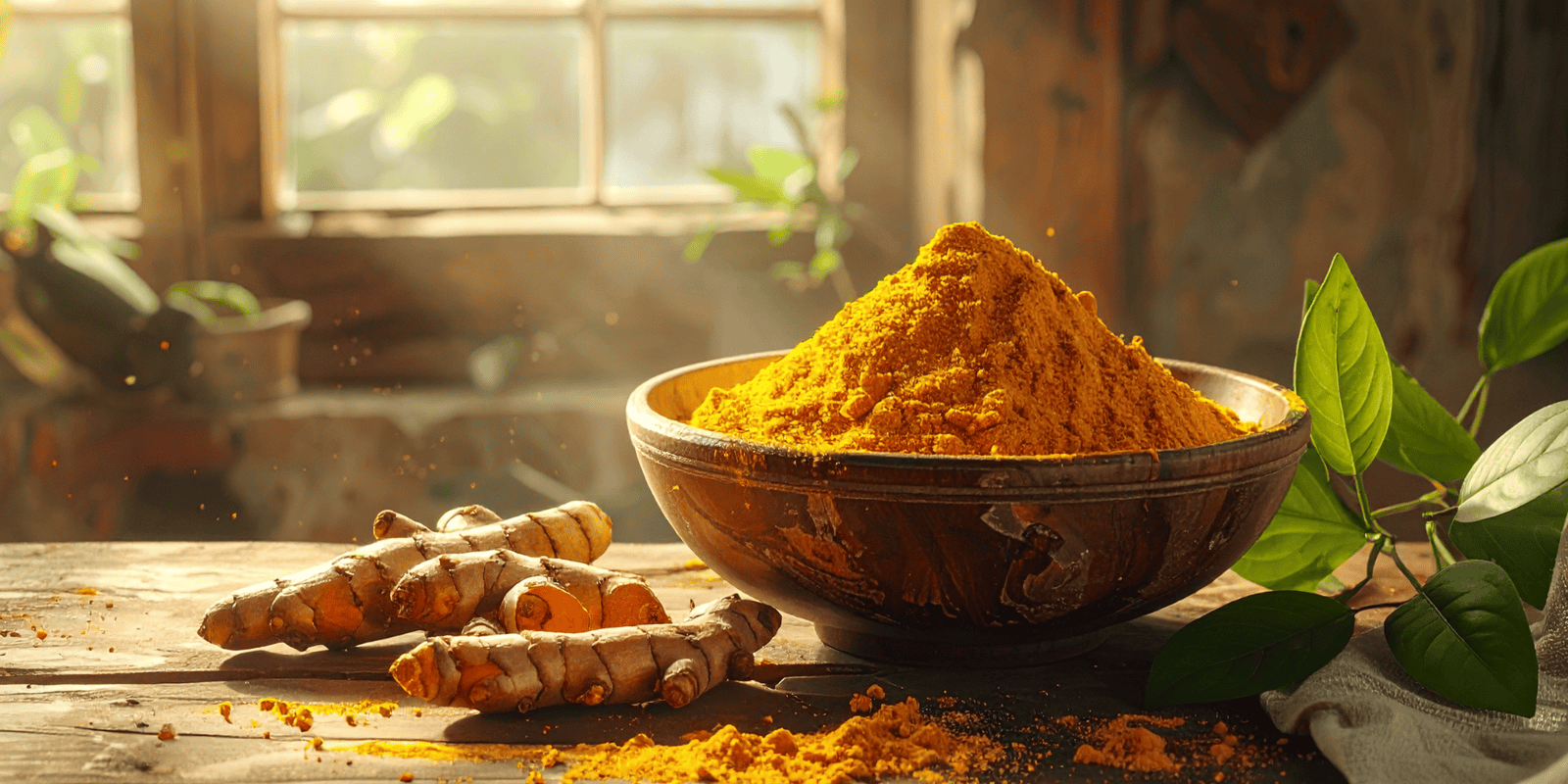
Turmeric has been used in traditional medicine for centuries and is now one of the most popular supplements for healthy ageing. Its main active ingredient, curcumin, has anti-inflammatory and antioxidant properties that may support joint health, mobility and overall wellbeing. But does turmeric really help as we get older. What are the Turmeric benefits: is it worth taking a supplement?
What Is Turmeric?
Turmeric is a bright yellow spice derived from the root of the turmeric plant. It is widely used in Indian and Asian cooking and has long been valued for its medicinal properties.
Most of turmeric’s potential health benefits come from curcumin, a natural compound that helps combat inflammation and oxidative stress.
Potential Benefits of Turmeric
May Help Reduce Inflammation
The strongest evidence for turmeric relates to its anti-inflammatory effects.
As we age, low-grade chronic inflammation becomes more common and is associated with conditions such as:
- Osteoarthritis
- Cardiovascular disease
- Type 2 diabetes
- Metabolic syndrome
Research suggests curcumin may help reduce some markers of inflammation, although the effects tend to be modest rather than dramatic.
Supports Joint Health and Mobility
This is where many people notice the greatest benefit.
Several studies have found that curcumin supplements may help improve:
- Knee pain
- Joint stiffness
- Walking comfort
- Physical function
Some clinical reviews suggest that turmeric supplements may provide symptom relief similar to low-dose anti-inflammatory medications in certain people with osteoarthritis.
Provides Antioxidant Protection
Curcumin acts as an antioxidant, helping protect cells from damage caused by free radicals.
Oxidative stress increases with age and is thought to contribute to many age-related conditions.
While laboratory studies are encouraging, the long-term impact on healthy ageing in humans remains less certain.
May Support Heart and Metabolic Health
Some studies suggest turmeric may modestly improve:
- Cholesterol levels
- Blood vessel function
- Blood sugar regulation
However, these effects are generally small and should be viewed as a complement to a healthy lifestyle rather than a replacement for it.
Could Support Brain Health
Researchers are investigating whether curcumin may help support memory and cognitive function.
Although early results are promising, there is currently insufficient evidence to recommend turmeric specifically for preventing dementia or Alzheimer’s disease.
Is Turmeric Worth Taking As We Age?
For many adults, turmeric can be a reasonable low-risk, potentially beneficial supplement, particularly if you:
- Experience mild joint discomfort
- Have osteoarthritis symptoms
- Prefer to try non-drug approaches first
- Tolerate supplements well
However, it’s important to keep expectations realistic.
Turmeric is unlikely to:
- Prevent ageing
- Dramatically extend lifespan
- Replace healthy lifestyle habits
The biggest contributors to healthy ageing remain:
- Regular strength training
- Cardiovascular exercise
- Good sleep
- Adequate protein intake
- Maintaining a healthy weight
- Not smoking
- Managing blood pressure, cholesterol and blood sugar
Think of turmeric as a supportive tool rather than a miracle solution.
Turmeric in Food vs Supplements
Using turmeric in cooking is a healthy habit, but the amount of curcumin it contains is relatively small.
In addition, curcumin is poorly absorbed by the body on its own.
Many supplements therefore combine curcumin with black pepper extract (piperine), which can significantly improve absorption.
Popular supplement forms include:
- Curcumin with piperine
- Meriva® phytosome
- BCM-95®
- Longvida®
Most of the research showing benefits has been conducted using standardised supplements rather than culinary turmeric.
Who Should Avoid Turmeric Supplements?
Turmeric supplements are not suitable for everyone.
Seek medical advice before taking them if you:
- Take blood-thinning medication
- Have gallstones or gall-bladder disease
- Have a history of kidney stones
- Take diabetes medication
- Take medication for acid reflux
- Are due to have surgery
Possible side effects include:
- Stomach upset
- Nausea
- Diarrhoea
- Reflux symptoms
A Practical Approach
If you’re interested in trying turmeric for healthy ageing:
- Start by including turmeric in your cooking.
- If appropriate, consider a quality curcumin supplement.
- Use it consistently for 6–8 weeks.
- Monitor whether your joint comfort, stiffness or mobility improves.
A commonly studied dosage is:
500–1,000 mg of curcumin extract per day, ideally combined with piperine or another enhanced-absorption formula.
If you notice no meaningful benefit after a couple of months, it may not be worth continuing.
The Bottom Line
Turmeric may offer modest benefits for reducing inflammation and supporting joint health as we age. The strongest evidence relates to osteoarthritis and mobility rather than anti-ageing claims.
For people experiencing mild joint discomfort, a good-quality curcumin supplement may be worth trying. However, it should be viewed as part of a broader healthy ageing strategy that includes regular exercise, a balanced diet, adequate protein intake and good sleep.