
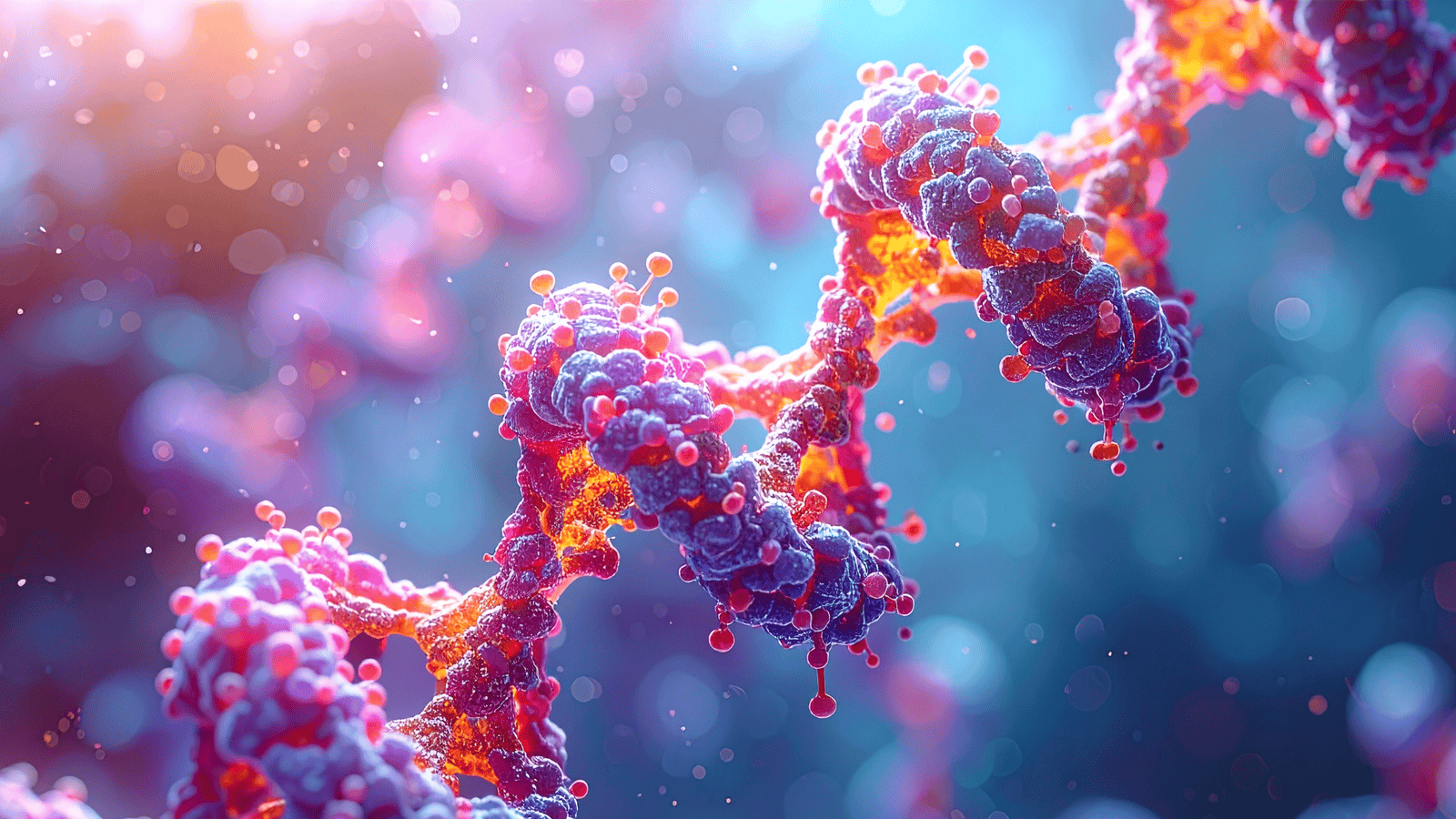
Collagen is the main structural protein in our skin, joints, bones and connective tissue. It acts like the body’s internal scaffolding, keeping skin firm, joints flexible and tissues strong.
However, collagen production naturally declines as we age — and this process starts earlier than most people realise. From our mid-to-late 20s onwards, collagen levels begin to drop, and by the time we reach our 50s and beyond, both the quantity and quality of collagen have significantly reduced.
This decline plays a major role in many of the visible and physical changes associated with ageing — including wrinkles, joint stiffness and slower recovery.
What Is Collagen and Why Is It Important?
Collagen is the most abundant protein in the human body. It provides structure and strength to:
- Skin (elasticity and firmness)
- Joints and cartilage (shock absorption and flexibility)
- Bones (strength and density)
- Tendons and ligaments (movement and stability)
Think of collagen as the “glue” that holds everything together. When levels are high, tissues remain resilient and youthful. As levels fall, these structures gradually weaken.
Why Does Collagen Decline With Age?
Several natural and lifestyle factors contribute to collagen loss:
1. Natural Ageing
The body simply produces less collagen over time. After 50, this decline accelerates, and existing collagen also becomes weaker and more fragmented.
2. Hormonal Changes
Reduced oestrogen levels (particularly after menopause) are strongly linked to decreased collagen production, affecting skin thickness and joint health.
3. Sun Exposure
UV radiation breaks down collagen fibres, speeding up skin ageing — one of the main causes of wrinkles.
4. Diet and Lifestyle
Poor nutrition, smoking, excess sugar and high alcohol intake stress and poor sleep can all damage collagen or reduce the body’s ability to produce it.
Common Signs of Collagen Loss
As collagen declines, you may notice:
- Fine lines and wrinkles
- Sagging or thinning skin
- Joint stiffness or discomfort
- Reduced muscle recovery after exercise
- Weaker hair and nails
These changes are normal — but they can often be slowed with the right lifestyle approach.
How to Support Collagen Production Naturally
While we can’t stop ageing, we can significantly support collagen production and protect what we have.
1. Prioritise Protein Intake
Collagen is made from amino acids, so adequate protein is essential. Include:
- Lean meats
- Fish
- Eggs
- Dairy
- Plant proteins like lentils and beans
2. Get Enough Vitamin C
Vitamin C is critical for collagen synthesis. Without it, the body cannot produce collagen effectively.
Good sources include:
- Citrus fruits
- Berries
- Peppers
- Leafy greens
3. Strength Training and Exercise
Regular physical activity — especially resistance training — stimulates collagen production in muscles, tendons and bones.
This is particularly important after 50 to maintain strength and mobility.
4. Protect Your Skin from Sun Damage
Daily sunscreen and limiting excessive sun exposure helps prevent collagen breakdown.
5. Support Bone and Joint Health
Nutrients like:
- Vitamin D
- Calcium
- Omega-3 fatty acids
all play a role in maintaining the structures supported by collagen.
6. Consider Collagen Supplements (Optional)
Collagen peptides are widely used and some studies suggest they may support:
- Skin elasticity
- Joint comfort
However, they are not a magic solution — they work best alongside a strong diet and lifestyle foundation.
Tip: Take with vitamin C to support absorption.
7. Skincare that boosts collagen
Topical treatments can stimulate production:
- Retinoids (vitamin A derivatives) are the gold standard for collagen stimulation
- Vitamin C serums help protect and support synthesis
- AHAs (like glycolic acid) help promote skin turnover
Be cautious of claims like “collagen creams replace lost collagen”—they don’t penetrate deeply enough to do that. They mainly hydrate rather than rebuild.
8. Medical / aesthetic treatments
If considering stronger options, these actively stimulate collagen:
- Microneedling
- Laser treatments
- Radiofrequency therapy
- Injectable stimulators
The Link Between Collagen and Healthy Ageing
Maintaining collagen levels is not just about appearance — it’s about function.
Healthy collagen supports:
- Mobility and independence
- Faster recovery from activity
- Stronger bones and reduced injury risk
- Overall quality of life as we age
This is why collagen is a key part of any long-term healthy ageing strategy.
The Bottom Line
Collagen decline with age is natural, but its effects can be influenced by how we live.
By focusing on:
- Good nutrition
- Regular exercise
- Sun protection
- Healthy lifestyle habits
you can help maintain stronger skin, joints and overall resilience well into later life.
Frequently Asked Questions About Collagen and Ageing
At what age does collagen decline start?
Collagen production begins to decline in your mid-to-late 20s and continues steadily over time.
Can you rebuild collagen after 50?
You can’t fully restore youthful levels, but you can support and protect collagen through diet, exercise and lifestyle.
Do collagen supplements really work?
Some research suggests benefits for skin and joints, but results vary. They are most effective when combined with a healthy lifestyle.
What is the best way to boost collagen naturally?
A combination of adequate protein, vitamin C, strength training and sun protection is the most effective approach.