
As we age, protein needs often increase rather than decrease — despite common misconceptions. Getting enough protein is essential for maintaining muscle, strength, mobility and independence as we get older.
Here’s a clear guide to how much protein you may need at different stages of life, with a particular focus on midlife and older adulthood.
How much protein do we need as we age?
Most adults benefit from at least 1.0–1.2 grams of protein per kilogram of body weight per day from midlife onwards, with higher intakes often recommended after age 65 to help maintain muscle mass and strength.
Why Protein Matters More as We Age
As we get older we experience:
-
- Sarcopenia — the gradual loss of muscle mass and strength
-
- Slower recovery from illness or injury
-
- Reduced appetite, leading to lower protein intake
-
- Changes in metabolism and hormone levels
Adequate protein intake helps:
-
- Preserve muscle and bone health
-
- Support immune function
-
- Maintain balance, mobility and independence
Protein Recommendations by Age
Protein needs vary depending on age, activity level and health status.
General Adults (18–64)
-
- 0.8 g per kg of body weight per day
This is the minimum to prevent deficiency, not necessarily optimal for long-term health.
- 0.8 g per kg of body weight per day
Midlife & Active Adults (Approx. 50–65)
-
- 1.0–1.2 g/kg/day
This range supports muscle maintenance, metabolic health and recovery.
- 1.0–1.2 g/kg/day
Older Adults (65+)
-
- 1.2–1.5 g/kg/day
Research suggests higher intake helps counter age-related muscle loss and maintain strength.
- 1.2–1.5 g/kg/day
Frail, Chronically Ill or Recovering Adults
-
- 1.5–2.0 g/kg/day, depending on individual needs
This should be done under medical or dietetic supervision.
- 1.5–2.0 g/kg/day, depending on individual needs
Protein Intake Examples
For a person weighing 70 kg (154 lb):
-
- Minimum (0.8 g/kg): ~56 g protein per day
-
- Supportive for healthy ageing (1.2 g/kg): ~84 g per day
-
- Higher need (1.5 g/kg): ~105 g per day
Breaking protein intake across meals makes these targets far more achievable.
Best Practices for Protein Intake as We Age
-
- Spread protein evenly across meals
Aim for 20–30 g per meal to maximise muscle protein synthesis.
- Spread protein evenly across meals
-
- Choose high-quality protein sources
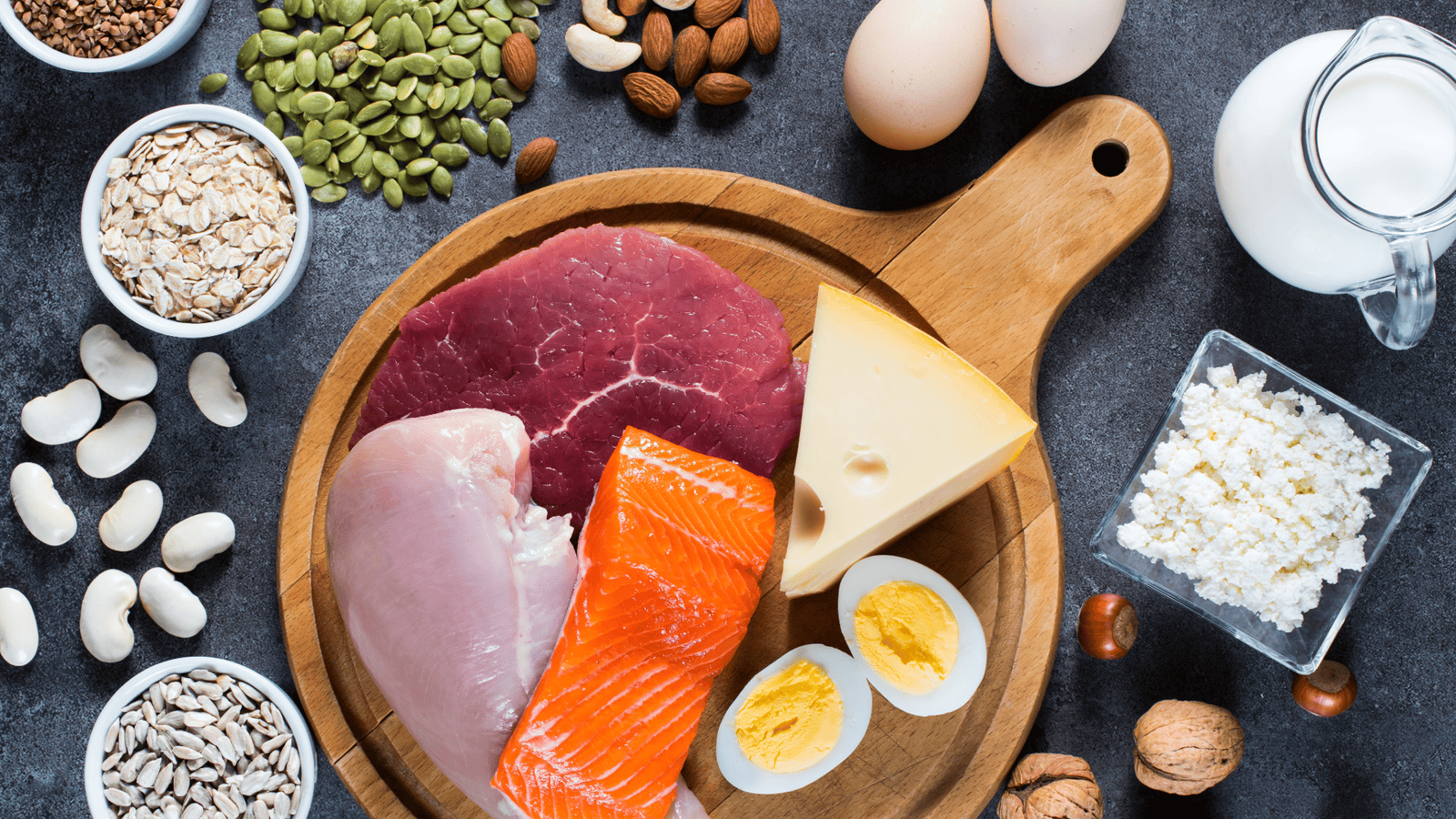
Eggs, dairy, fish, lean meat, poultry, tofu, tempeh, beans and lentils all contribute.
- Choose high-quality protein sources
-
- Support intake if appetite is low
Protein-rich snacks or supplements (such as whey or plant-based protein powders) can help.
- Support intake if appetite is low
Important Considerations
Protein needs are highly individual. Factors such as:
-
- Kidney disease
-
- Certain medications
-
- Activity levels
-
- Overall calorie intake
all influence what’s appropriate. Always speak with a GP or registered dietitian if you’re unsure.
If maintaining strength, energy and confidence feels more challenging with age, you’re not alone. Small, realistic changes to daily habits — including nutrition — can make a meaningful difference over time.
Lifestyle coaching support focuses on sustainable adjustments that fit real life and support long-term health as our needs change