
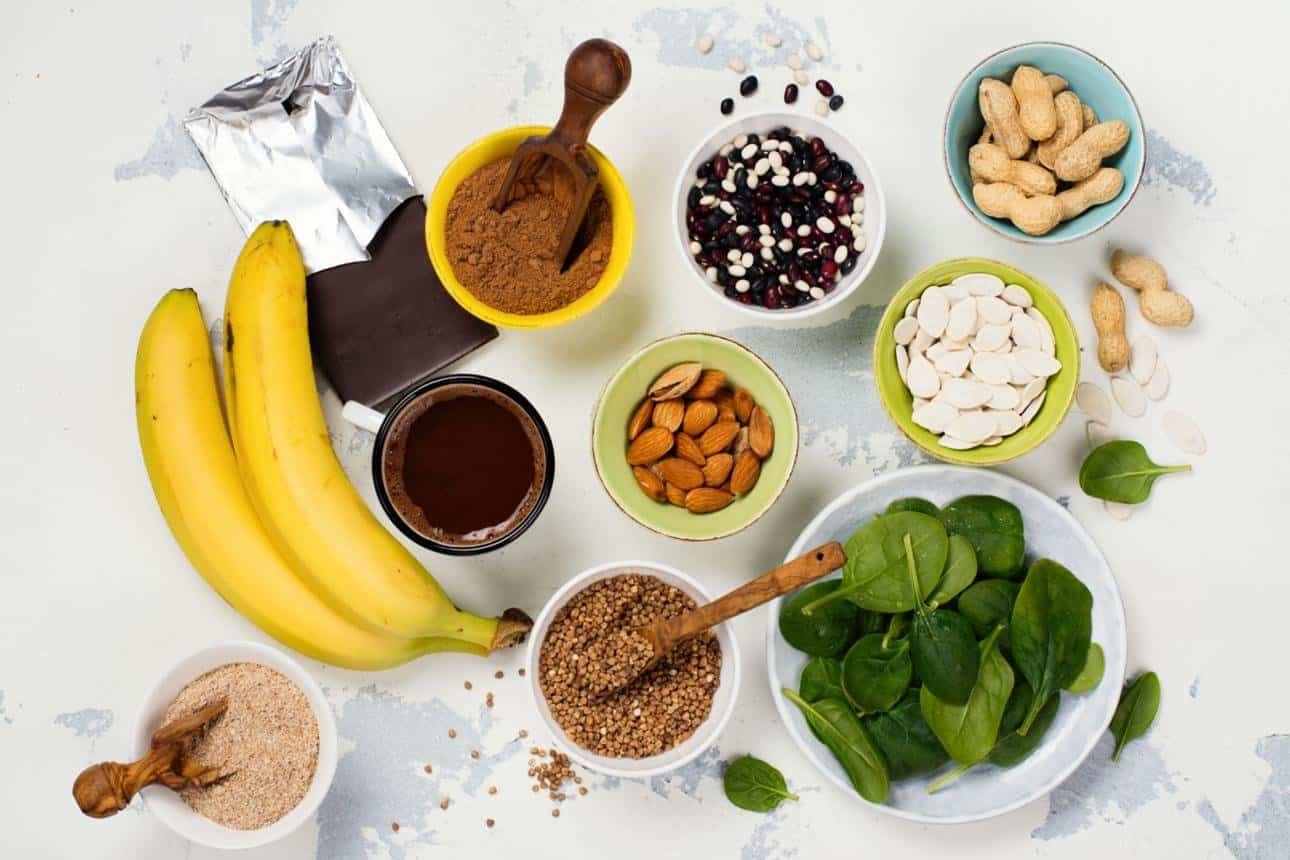
Dietary fibre is an essential part of a healthy diet, yet most people don’t get enough of it. Found in plant-based foods, fibre is a type of carbohydrate that your body cannot fully digest. Instead of being broken down for energy, it passes through your digestive system, supporting a wide range of important functions.
From gut health to heart health, fibre plays a key role in maintaining wellbeing — particularly as we age.
What Is Dietary Fibre?
Fibre is found in foods such as fruits, vegetables, whole grains, legumes, nuts and seeds. Unlike other carbohydrates, it is not absorbed by the body but instead helps regulate digestion and supports overall health.
There are two main types of fibre, both of which are important.
Types of Fibre and Their Benefits
Soluble Fibre (Dissolves in Water)
Soluble fibre forms a gel-like substance in the gut and helps:
- Lower cholesterol levels
- Stabilise blood sugar
- Support heart health
Good sources include:
Oats, beans, lentils, apples, citrus fruits
Insoluble Fibre (Does Not Dissolve in Water)
Insoluble fibre adds bulk to stool and helps:
- Promote regular bowel movements
- Prevent constipation
- Support digestive health
Good sources include:
Whole grains, nuts, seeds, vegetables
👉 Most plant foods contain a mix of both types, which is why variety matters.
How Much Fibre Do You Need Each Day?
General daily recommendations:
- Men under 50: ~38g per day
- Men 50+: ~30g per day
- Women under 50: ~25g per day
- Women 50+: ~21g per day
However, these are baseline guidelines — and many people fall well below them.
👉 A simple and practical target for most adults is around 30g of fibre per day from a variety of whole foods.
Is “One-Third Fibre” a Myth?
You may have heard that one-third of your diet should be fibre — this is misleading.
Fibre is not measured as a proportion of your diet, but as a total daily intake in grams.
Focusing on whole, plant-based foods naturally helps you reach the right level without overcomplicating things.
Why Fibre Becomes More Important After 50
Although official fibre recommendations decrease slightly with age, fibre actually becomes more important, not less.
As you get older, fibre helps:
- Prevent constipation (a common issue with ageing)
- Support heart health by lowering cholesterol
- Improve blood sugar control
- Maintain a healthy gut microbiome
👉 This means many people benefit from consciously increasing fibre intake if they are currently low.
Do Men and Women Need Different Amounts of Fibre?
Men generally require more fibre than women, but this is due to higher calorie intake and body size, not ageing differences.
Both men and women benefit equally from adequate fibre for:
- Digestive health
- Heart health
- Metabolic function
Best High-Fibre Foods to Include in Your Diet
To increase fibre intake naturally, focus on:
Whole Grains
- Oats
- Brown rice
- Whole wheat bread
Legumes
- Beans
- Lentils
- Chickpeas
Fruits
- Berries
- Apples
- Pears
Vegetables
- Broccoli
- Carrots
- Leafy greens
Nuts and Seeds
- Chia seeds
- Flaxseeds
- Almonds
👉 Variety is key — different foods provide different types of fibre.
How to Increase Fibre Safely
If your current intake is low, increase fibre gradually to avoid discomfort.
Tips:
- Add fibre slowly over 1–2 weeks
- Drink plenty of water
- Prioritise whole foods over supplements
Sudden increases can cause bloating, so a gradual approach works best.
Fibre and Healthy Ageing
Fibre is one of the most overlooked nutrients in a healthy ageing strategy.
It supports:
- Gut health
- Heart health
- Blood sugar balance
- Weight management
Combined with a balanced eating pattern such as the Mediterranean diet fibre helps promote long-term health and wellbeing.
The Bottom Line
Fibre plays a vital role in digestion, heart health and overall wellbeing — especially as we age.
Rather than focusing on complicated rules, aim to:
- Eat a variety of plant-based foods
- Reach around 30g of fibre per day
- Increase intake gradually if needed
Small, consistent changes can make a significant difference over time.
Frequently Asked Questions About Fibre
How can I increase fibre intake quickly?
Start by adding oats, fruit and vegetables to meals and swapping refined grains for whole grains.
Is too much fibre bad for you?
Very high fibre intake can cause bloating if increased too quickly, but this is usually temporary.
Do fibre supplements work?
They can help, but whole foods are generally the best source due to additional nutrients.
Does fibre help with weight loss?
Yes, fibre helps you feel fuller for longer and can support weight management.