
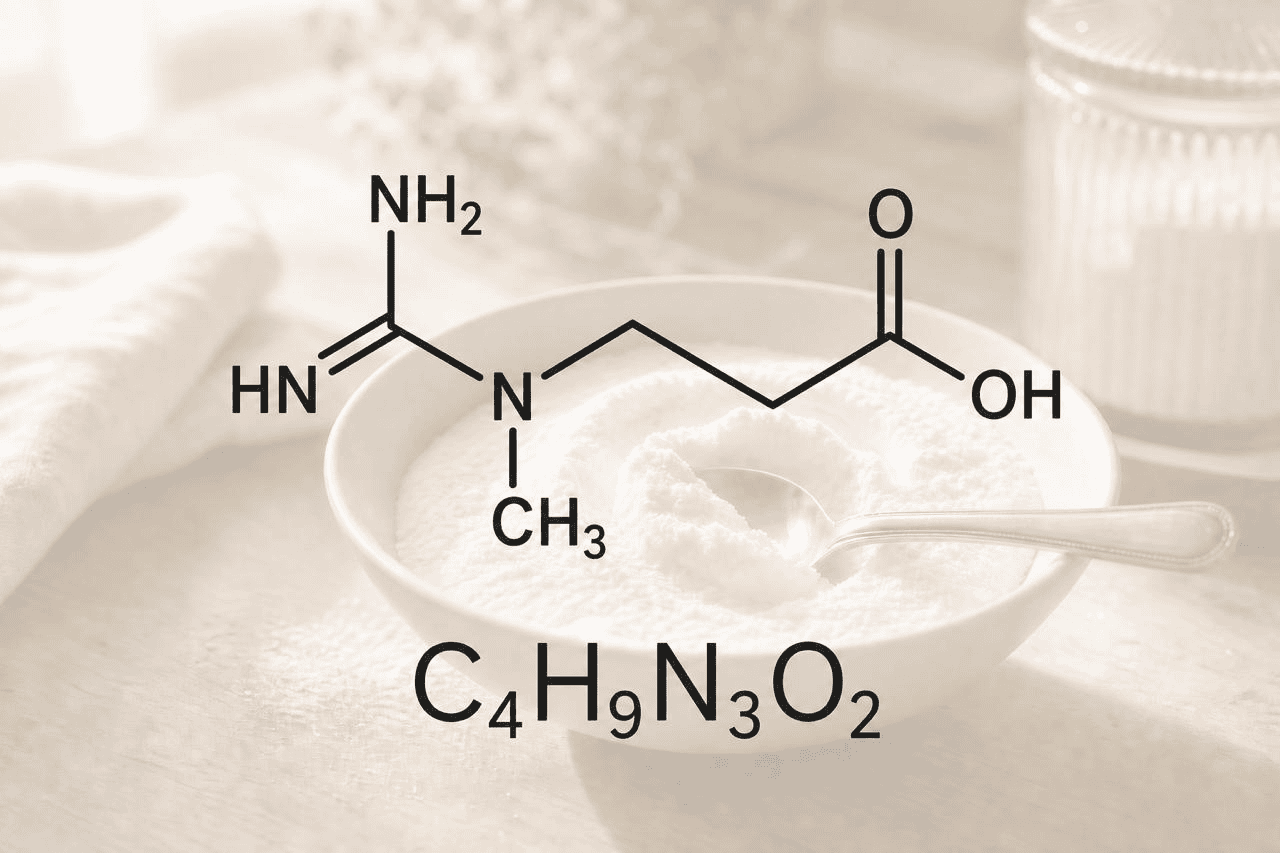
Creatine is often associated with athletes and bodybuilders, but research increasingly suggests it may also be one of the most beneficial supplements for healthy living.
In fact, creatine monohydrate is one of the most extensively studied supplements available, with strong evidence supporting its role in maintaining muscle strength, physical function and overall quality of life as we age.
But what exactly is creatine, and should you consider taking it after 50?
What Is Creatine?
Creatine is a naturally occurring compound produced by the body in the liver and kidneys. It is also found in foods such as red meat and fish.
Around 95% of the body’s creatine is stored in skeletal muscle, where it helps produce energy during short bursts of activity.
Whether you’re lifting shopping bags, climbing stairs, gardening or exercising, creatine helps your muscles perform these activities more efficiently.
How Does Creatine Work?
Your muscles use a molecule called ATP (adenosine triphosphate) as their primary energy source.
During short, intense efforts, ATP is depleted quickly. Creatine helps replenish ATP, allowing muscles to continue working effectively.
This may help you:
- Perform an extra repetition during exercise
- Lift slightly heavier weights
- Recover more quickly between sets
- Maintain training quality for longer
Over time, these small improvements can lead to significant gains in:
- Muscle mass
- Strength
- Physical performance
- Everyday function
Why Creatine Is Especially Relevant As We Age
One of the biggest challenges of ageing is the gradual loss of muscle mass and strength.
This age-related decline is known as sarcopenia.
Sarcopenia can lead to:
- Reduced mobility
- Loss of independence
- Increased risk of falls
- Difficulty performing everyday tasks
Research suggests that creatine supplementation, particularly when combined with resistance training, may help slow or partially offset these changes.
Studies in older adults have shown potential benefits including:
- Preserving muscle mass
- Improving strength gains from exercise
- Supporting balance and mobility
- Enhancing recovery after physical activity
For many people, maintaining muscle strength is one of the most important aspects of healthy ageing.
The Healthy Ageing Combination
When it comes to maintaining muscle and function as we age, the strongest evidence supports:
- Resistance training
- Adequate protein intake
- Creatine supplementation
Together, these strategies appear to be significantly more effective than most other supplements marketed for anti-ageing.
Can Creatine Benefit Brain Health?
Researchers are also investigating creatine’s potential effects on the brain.
Some studies suggest it may help with:
- Mental fatigue
- Sleep deprivation
- Cognitive performance during stress
- Brain function in people with low dietary creatine intake
While the research is promising, the evidence remains stronger for physical performance than cognitive benefits.
Which Form of Creatine Is Best?
Despite the marketing claims surrounding newer products, the best-supported form remains:
Creatine Monohydrate
It is:
- Well researched
- Effective
- Affordable
- Widely available
Most experts agree that it is all most people need.
How Much Creatine Should You Take?
A typical maintenance dose is:
3–5 grams per day
You can take it at any time of day.
Consistency is more important than timing.
Some people choose a loading phase:
- 20 grams per day for 5–7 days
- Followed by 3–5 grams daily
However, loading is not necessary and may increase the likelihood of bloating or stomach upset.
What Results Can You Expect?
Within a few weeks, some people notice:
- Improved exercise performance
- Better recovery
- Slight weight gain from increased water stored in muscle
- Fuller-looking muscles
Over several months, particularly when combined with resistance training, benefits may include:
- Increased strength
- Better muscle retention
- Improved physical function
Is Creatine Safe?
Creatine has been studied extensively and is considered safe for healthy adults when taken at recommended doses.
Common myths include:
“Creatine damages the kidneys”
Current evidence does not support this in healthy individuals.
“Creatine is a steroid”
Creatine is not a steroid and works in a completely different way.
“You need to cycle creatine”
There is no strong evidence that cycling is necessary.
Who Should Speak to Their Doctor First?
Consult your healthcare professional before taking creatine if you:
- Have kidney disease
- Have significant liver disease
- Take medications that affect kidney function
Possible side effects may include:
- Water retention
- Mild bloating
- Stomach upset
These effects are generally mild and often improve with dose adjustment.
Is Creatine Worth Taking?
If you:
- Do strength or resistance training
- Want to maintain muscle as you age
- Want to improve strength and recovery
- Eat relatively little meat or fish
then creatine is one of the most evidence-backed supplements available.
Compared with many supplements marketed for anti-ageing, creatine has unusually strong evidence for improving real-world physical function and helping maintain independence.
The Bottom Line
Creatine is no longer just a supplement for athletes.
For adults over 50, it may help support muscle strength, physical function and healthy ageing, particularly when combined with resistance training and adequate protein intake.
While no supplement can replace exercise, good nutrition and sleep, creatine is one of the few supplements with strong evidence supporting its use for maintaining strength and independence as we age.