If your GP has told you that your cholesterol is a little high, don’t panic. In many cases, it is possible to lower cholesterol naturally through simple lifestyle changes.
By making small adjustments to your diet, activity levels and daily habits, you can improve your cholesterol levels and protect your heart health over time. Backed by NHS advice, this UK-focused guide explains how to reduce cholesterol naturally, without relying solely on medication.
1. Rethink Your Diet to Lower Cholesterol Naturally
What you eat has a direct effect on your cholesterol. A heart-healthy diet focuses on fibre-rich foods, healthy fats and whole ingredients, while cutting back on processed foods.
Eat more of:
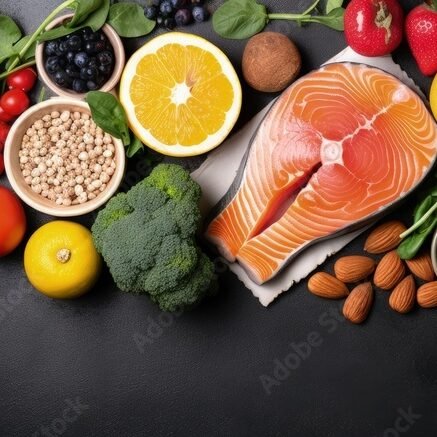
- Soluble fibre, found in oats, beans, lentils, apples and psyllium. This helps reduce LDL (“bad”) cholesterol.
- Healthy fats, such as olive oil, avocados, nuts and oily fish like salmon or mackerel.
- Plant sterols and stanols, found in fortified spreads, yoghurts and juices, which help block cholesterol absorption.
- Fruit, vegetables and whole grains to support overall heart and digestive health.
Cut back on:
- Trans fats, often hidden in pastries, snacks and takeaways.
- Excess saturated fat, found in fatty meats, cheese and full-fat dairy.
- Added sugar and refined carbohydrates.
- Too much alcohol, which can raise cholesterol and blood pressure.
2. Exercise to Lower Cholesterol and Improve Heart Health
Regular physical activity helps raise HDL (“good”) cholesterol and lower LDL cholesterol and triglycerides.
Aim for at least 150 minutes of moderate exercise each week, such as brisk walking, cycling or swimming. Even small changes — like taking the stairs or walking after meals — can help lower cholesterol naturally over time.
3. Maintain a Healthy Weight
Being overweight, particularly around the waist, is linked to higher LDL cholesterol and lower HDL cholesterol.
Losing just 5–10% of your body weight can significantly improve cholesterol levels and reduce your risk of heart disease.
4. Stop Smoking to Support Healthy Cholesterol Levels
If you smoke, quitting is one of the most effective ways to protect your heart.
Stopping smoking can:
- Increase HDL (“good”) cholesterol
- Improve circulation and blood pressure
- Reduce your risk of heart disease and stroke
5. How Sleep and Stress Affect Cholesterol Levels
Poor sleep and ongoing stress can increase inflammation and negatively affect cholesterol.
Aim for 7–9 hours of quality sleep each night and manage stress with relaxation techniques such as mindfulness, breathing exercises or yoga. Even a short daily walk outdoors can help reduce stress and support heart health.
6. Track Your Progress
Regular cholesterol checks help you understand whether your lifestyle changes are working.
In the UK, your GP or local pharmacy can offer simple cholesterol tests. Most adults should have their cholesterol checked every 4–6 years, or more often if they have risk factors.
Frequently Asked Questions
Can you lower cholesterol naturally without medication?
Yes. Many people with mildly raised cholesterol can lower it naturally through diet, exercise, weight management and lifestyle changes, following NHS guidance.
How long does it take to lower cholesterol naturally?
Improvements can often be seen within 6–12 weeks, although long-term, consistent changes provide the best results.
What foods help lower cholesterol the most?
Foods high in soluble fibre, such as oats and beans, along with olive oil, nuts and oily fish, are particularly effective at lowering LDL cholesterol.
The Bottom Line
Lowering cholesterol naturally is not about quick fixes. It is about steady, sustainable lifestyle changes that support your heart for life.
By eating a balanced, fibre-rich diet, staying active and managing stress, you can make a real difference to your cholesterol levels and overall wellbeing.
If you are unsure where to start, speak to your GP or local pharmacy about cholesterol testing and tailored support. For trusted information, see the NHS advice on cholesterol.